Dear Brothers and Sisters in Christ,
A Communion that Transforms
Dear Brothers and Sisters in Christ,
The upcoming Eucharistic Congress 2028 in Sydney will be a wonderful opportunity for our parish communities to be renewed by the gift of the Lord’s presence among us. At the same time, it will call us to share our communion of Eucharistic life by welcoming everyone as Christ has welcomed us (cf. Romans 15.7).
The Eucharistic Congress will involve a deep reflection on the significance of the Lord’s presence and how he draws us into intimate union with himself. There will be times of adoration, Eucharistic processions, and consideration of the implications of Eucharistic communion for our sense of solidarity in society, justice, and service of the poor.
To my mind, a fundamental consideration for our parish will be our appreciation of communion as a powerful influence on how we see ourselves and how we act. At the heart of communion, a sharing in the life of God through the gift of Jesus, is unity and charity. Through Baptism, Confirmation and the Eucharist, we are united as the Body of Christ. This striking doctrine from St Paul flows from his awareness that we are truly united together in the Eucharistic Body and Blood of the Lord (see 1 Corinthians 10.16-17; 12.12-13, 27).
Of the many implications St Paul draws for how we think of ourselves as a Christian people, he teaches that we are called to make our contribution for the good of the whole body of the community (1 Corinthians 12.27-30). We are called to not only receive Communion but to live Communion for each other and all those in need of our help. The sacramental presence of the Lord in the Eucharist is meant to flow into a clearer perception of the living presence of the Lord in those who are hungry and thirsty, in the stranger and those who need to be clothed, in the sick and the prisoner who needs to be visited (see Matthew 25.31-46).
The communion we share with Christ, the welcome we offer to those who enter our lives, and the service we give to those who call upon our time, are essential in our response to the loneliness and lack of belonging many experience in our modern world. It is a question of who calls us and what kind of people we are called to be for Christ and the world he desires to bless. God calls us together in Jesus to hear the Word that creates us anew (see 1 Peter 1.23) and nourish us with “the Bread of Life” (John 6.35, 48). Jesus calls us to be part of his Father’s family (John 20.17) and he empowers us to share this communion of belonging and mutual support to anyone who responds to his call to the eternal life he offers.
The Eucharist calls us to share in Christ’s communion of unity and love. This communion of life is essential to our capacity to respond to the human need for belonging and how we can serve the good of society. With our focus on the good of the people entrusted to our care we are disposed to give them respect and love as fellow children of God. Thus, charity opens our hearts to live justly and compassionately care for those who are wounded by evil words and harmful deeds.
Jesus’ gift of himself for our salvation transforms our lives by his love and, as Pope Leo explains, this “gift remains present and active in the Eucharist, in which the Lord gives himself and gathers the Church together, so that his offering becomes the principle of unity and source of new life.” (Pope Leo XIV, Magnifica Humanitas, n.234) Living a Eucharistic spirituality transforms us into a people of communion who belong to the family of God and who imitate Jesus by giving of ourselves that others may have life.
I personally invite you to journey with me to rediscover the riches of the Eucharist and seek new opportunities for sharing our life of communion with others. To encourage such prayerful reflection, I encourage you to contemplate five Gospel passages which portray key moments of revelation about the Eucharist:
- They all ate as much as they wanted (John 6:11-12), which reveals the superabundant generosity of Jesus and the fulfilment of our hearts in his love
- I am the Bread of Life (John 6:35), which refers to Jesus as the One who leads us to the complete satisfaction of our desires in eternal life
- This is My Body, given for you (Luke 22:19), which communicates the supreme gift of the Lord’s own life to redeem us in God’s love and mercy
- You must wash each other’s feet (John 13:14), which calls us to live our Eucharistic communion in the humble service of our brothers and sisters
- They recognised him at the Breaking of the Bread (Luke 24:30-31, 35), which attunes us to the sacramental presence of the Risen Lord in the Eucharist
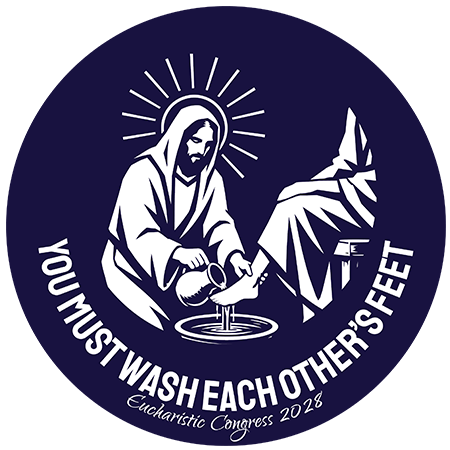
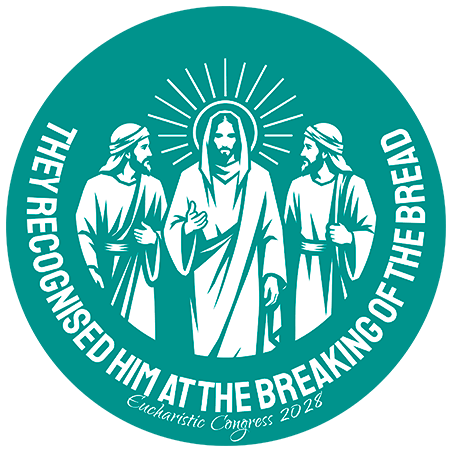
During the coming liturgical year these passages will be proclaimed to us. For example, at Holy Thursday, when we celebrate the institution of the Eucharist, the Church proclaims the Gospel in which Jesus washes the feet of his disciples and commands them to wash each other’s feet (see John 13.1-15).
But have these Gospel scenes about the most beautiful gift of the Lord’s presence and loving action in the Eucharist become too familiar to us? Have they lost their freshness and living power to nourish our hearts and inspire us to live generously for others?
I am deeply convinced that when we take the time to prayerfully read these life-giving words about the Lord’s Eucharistic presence and the life of service to which it calls us, our faith will be renewed, and we will joyfully rediscover Jesus as:
- the generous giver of God’s life,
- who satisfies our hearts with meaning and hope,
- gives himself completely for our salvation,
- humbly serves us with the deepest affection,
- and walks with us in the light of the Resurrection.
Seeing the Lord in this new light will warm our hearts and give us a revitalised confidence in bearing witness to his love and presence. Thus, our communion with the Lord will bear fruit in making the merciful face of our Saviour known to a world so much in need of a community of living faith, confident hope and genuine love.
May our Eucharistic relationship with our Saviour liberate us from false self-sufficiency, hardness of heart and cold isolation. May this Eucharistic Mystery of life and the richness of Christ’s self-sacrificial love, transform us into a People of Communion who share our faith, our hope, and our love with generous hearts (See Magnifica Humanitas, n.127).
Fr Bernard Gordon, PP